Historically, Ukraine has relied on a highly centralized electricity system dominated by nuclear power. More than half of the country’s electricity came from four nuclear power plants, while natural gas and coal generated roughly a quarter of the energy. In 2008, the government implemented the “green tariff” program to encourage households and businesses to produce solar and wind power, with rates guaranteed through 2030.
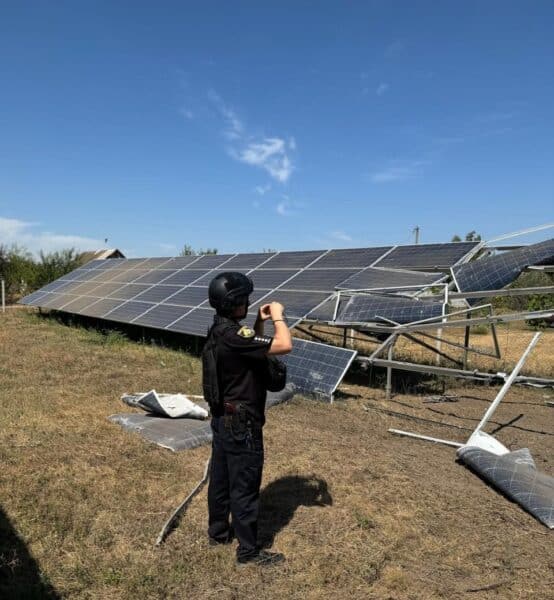
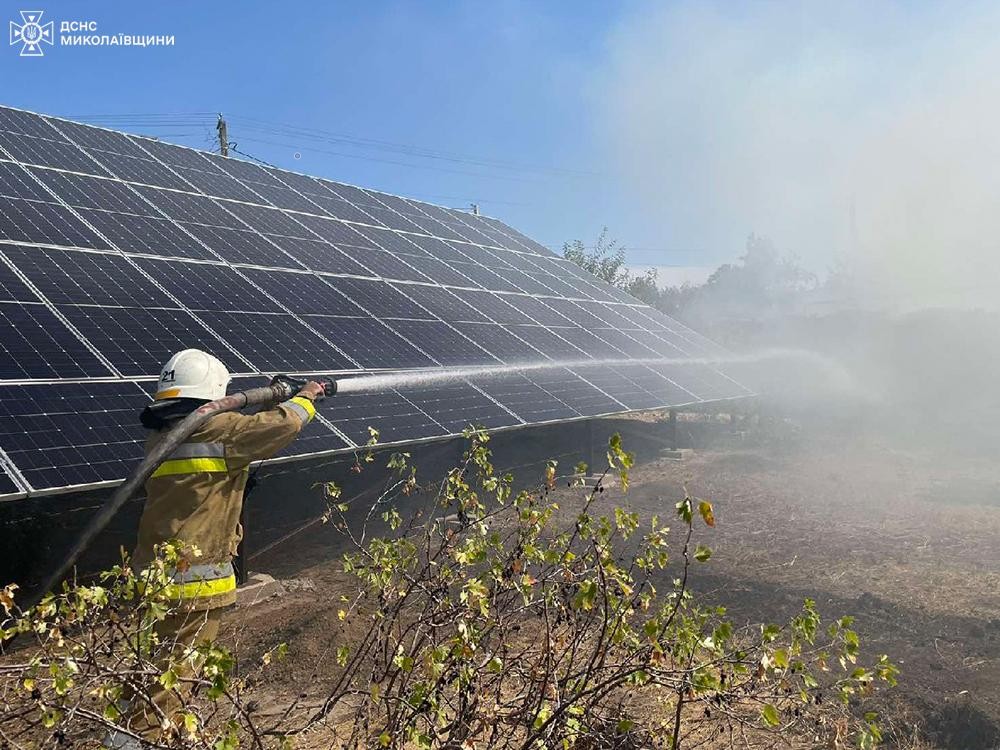
Attacks on Ukraine’s energy infrastructure over the past few years sharply accelerated the push for solar energy. Damage to the power grid has caused prolonged power outages, causing the government to ration electricity with scheduled power outages that can last for hours. And at the same time, roughly 30 percent of the installed solar capacity and most of the country’s 36 wind farms in the south were either destroyed, or unavailable, and the Zaporizhzhia nuclear power plant in southeastern Ukraine has been shut down.
Solar energy reduces dependence on the power grid and is especially critical in communities closest to the frontlines where towns and villages are cut off from the energy sources, as attacks destroy power lines and the threat to maintenance workers makes repairs difficult or impossible. Residents are left without electricity and access to the outside world. Solar panels and battery systems can power homes and businesses for days.
Government incentives to switch to renewable energy, including loans to purchase solar panels and other equipment, make it possible for many companies to make the investment. Some apartment buildings installed solar panels on the roof to help keep the boilers turned on and operate the elevators.
For the past several months, the Ukrainian government has issued warnings about total blackouts that will render major cities virtually unlivable during the freezing months. We have undertaken solar energy projects in 5 Ukrainian cities (Kyiv, Kremenchug, Kharkiv, Sumy, and Zaporizhzhia) to support schools, senior centers, and community centers including soup kitchens. We intend to expand the program to other cities as funding allows.
It is imperative that we have new systems in place as soon as possible to help Ukrainians weather the winter.
Together we save lives and restore hope.